Cat Body Language Guide: Read Your Cat Like A Pro
Author:Andy
Released:March 10, 2026
Ever feel like your cat is speaking a foreign language? One minute, they want pets; the next, they bite. Stop guessing! Learn to decode cat body language right now so you can avoid scratches, build a stronger bond, and finally understand exactly what your furry friend wants.
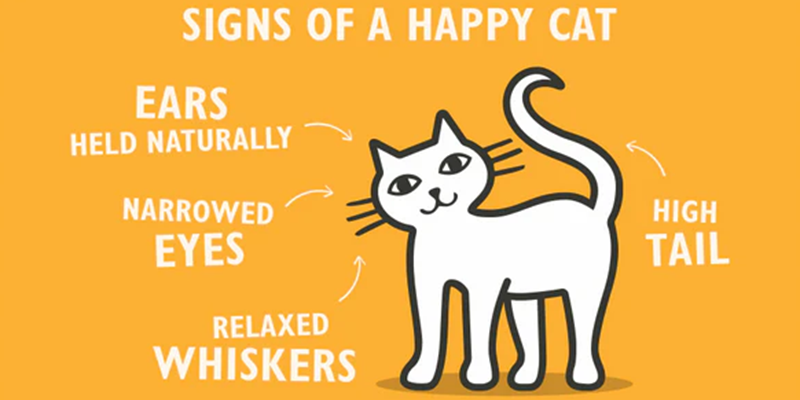
The Tail: Your Best Tool For Reading Cat Behavior Body Language
If you only look at one thing to figure out how your cat is feeling, look at the tail. Unlike dogs, a wagging cat tail does not mean they are happy. Cats use their tails like emotional thermometers. Here is a practical breakdown of what their tail shapes actually mean, and what you should do about it.
The Straight Up Flag
What it looks like: The tail points straight up to the ceiling, sometimes with a slight curve at the very tip (like a question mark).
The meaning: This is the best signal you can get. It means your cat is confident, happy, and glad to see you.
What you should do: This is the perfect time to offer a greeting. Put your hand out and let them rub their face against your knuckles.
The Swishing or Thumping Tail
What it looks like: The tail moves rapidly from side to side, or thumps hard against the floor.
The meaning: Annoyance, overstimulation, or anger. A lot of people mistake this for a playful dog wag, which can result in a sudden scratch.
What you should do: Stop whatever you are doing immediately. If you are petting them, remove your hands. Give them physical space until the tail stops moving.
The Puffed-Up Bottle Brush
What it looks like: The hair on the tail stands straight up, making the tail look twice as thick.
The meaning: Pure terror or extreme defense. They are trying to make themselves look bigger to scare off a threat.
What you should do: Do not pick them up. A scared cat will bite you in a panic. Remove whatever is scaring them (a loud noise, another animal) and let them hide to calm down.
The Low or Tucked Tail
What it looks like: The tail is held very close to the ground or tucked between the back legs.
The meaning: Submission, anxiety, or fear. Your cat feels unsure about their environment.
What you should do: Keep your voice soft. Do not force them out of their hiding spot. Let them come to you when they feel safe.
So, the tail gives you the basic mood. But if you want to know exactly what they are thinking, you need to look at their face next.
Eyes And Ears: Unlocking True Cat Body Language Meaning
A cat's face provides highly specific clues about their next move. By combining tail signals with eye and ear shapes, you get the full picture of cat body language meaning.
Decoding Ear Positions
Cats have 32 muscles in each ear, allowing them to turn like satellite dishes.
1. Ears Pointing Forward: Your cat is relaxed, alert, and interested in what is going on. Pro tip: A good time for a training session or for offering treats.
2. Ears Turned Sideways (Airplane Ears): The ears stick straight out to the sides. This means they are nervous, anxious, or getting irritated. Pro tip: Back off and lower your noise level.
3. Ears Pinned Flat Back: This is a clear warning sign. They are ready to fight or defend themselves. Pro tip: Never try to touch a cat with flat ears. Leave the room if necessary.
Decoding Eye Signals
Eye contact in the cat world is very different from that in the human world.
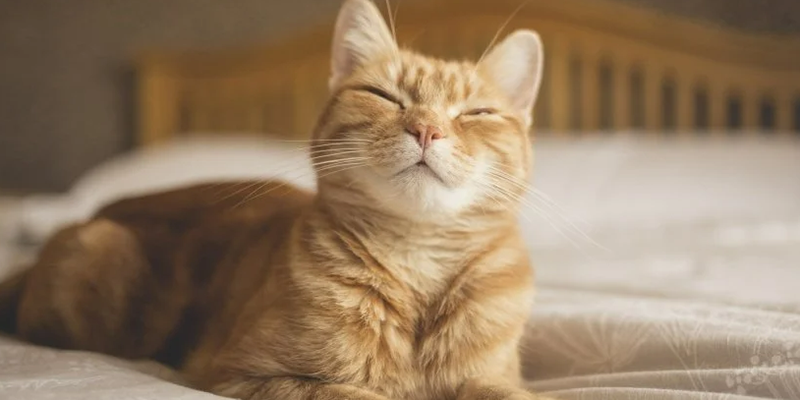
1. The Slow Blink: If your cat looks at you and slowly closes and opens their eyes, they are giving you a kitty kiss. It means they feel completely safe with you. Actionable tip: Slow blink back at them! It is a great way to build trust without touching them.
2. Wide Open Eyes with Huge Pupils: Dilated pupils mean intense emotion. If they are chasing a toy, it is hunting excitement. If there is a loud storm outside, it means fear. Look at the room to figure out which one it is.
3. The Hard Stare: If a cat stares directly at you without blinking, it is a challenge or a threat in cat language. Do not stare back. Look away to show you are not trying to fight.
The Belly Trap And Posture Choices
How a cat holds their body tells you how comfortable it is. Let's look at a few common postures and the mistakes people make with them.
The Exposed Belly
When your cat rolls onto their back and shows you their stomach, it is a huge compliment. It means they trust you enough to expose their most vulnerable area.
The mistake: Treating it like a dog and rubbing their belly. Most cats hate this and will bite or kick your hand.
The right choice: Take it as a compliment, but pet their chin or the space behind their ears instead. Only a very small percentage of cats actually enjoy belly rubs.
The Loaf Position
Your cat sits with all four paws tucked completely under their body, looking like a loaf of bread.
Meaning: They are very relaxed. By tucking their paws, they are showing they have no intention of running away or attacking.
The Crouching Tiger
Body low to the ground, legs bent, eyes focused.
Meaning: They are ready to pounce. If they are looking at a toy, let them play with it. If they are looking at your ankles as you walk by, toss a toy in the opposite direction to redirect their hunting instinct.
Kitten Body Language: Is It Different?
If you recently brought a young cat home, you might notice some weird movements. Generally, kitten body language uses the same rules as adult cats, but everything is much more exaggerated and clumsy.
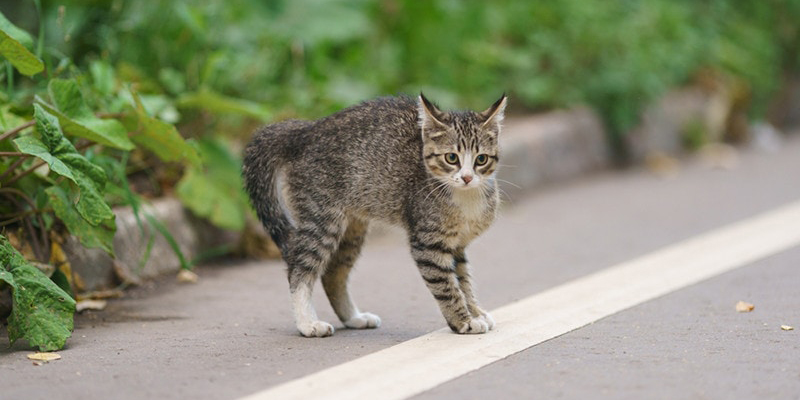
For example, a kitten might puff up their tail and walk completely sideways (crab-walking) toward you. While an adult cat does this out of real fear, kittens usually do this during play to test out their reflexes. If a kitten bites your hand, they are practicing hunting skills. Quick tip: Never use your hands as toys with a kitten, or they will grow up thinking human hands are prey. Always use a wand toy.
Practical Rules: How To React To Your Cat's Signals
Understanding the signals is only half the job. Knowing how to react is what makes you a pro. Here are practical rules you can use every single day based on your cat's body language.
1. The Finger Test for Consent
Never reach out and grab a cat. Instead, hold one finger out a few inches from their nose.
If they lean forward, sniff it, and rub their cheek against your hand: You have permission to pet them.
If they sniff it and do nothing, leave them alone.
If they pull their head back, give them space.
2. Watch for Conflicting Signals
Sometimes, cats send mixed messages. What if your cat is purring, but their tail is thumping aggressively?
Rule of thumb: Always trust the negative signal. Purring does not always mean happy; cats also purr to self-soothe when they are in pain or stressed. If the tail is thumping, stop petting them, even if they are purring.
3. Know Where to Pet
When your cat's body language shows they want affection (tail straight up, ears forward, rubbing against you), choose the right spots.
Best spots: Under the chin, cheeks, base of the ears, and base of the tail.
Worst spots: The belly, the paws, and the tail itself.
4. Respect the Hiding Cat
If your cat's body language says I am scared (tail tucked, ears flat, crouching) and they run under the bed, do not drag them out. Cats process Stress by hiding. If you pull them out, you destroy their trust in you. Provide food and water nearby, and wait for their tail to go back up on its own.
Take Action: Start ' Understanding' Your Cat Today
Reading your cat is not magic; it just takes a little daily observation. By paying attention to their tail, ears, and posture, you will stop getting unexpected scratches and start building a much deeper connection. Next time your cat walks into the room, stop and watch their tail first. You have the tools now—observe your cat and see exactly what they are trying to tell you today!
Related Posts
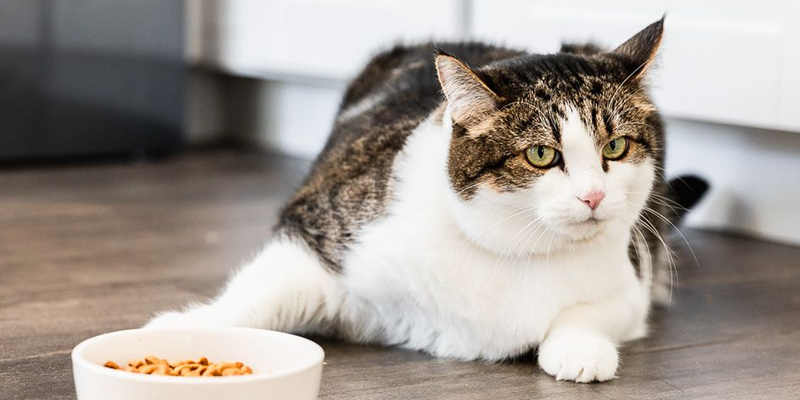
Cat Appetite Changes: Causes You Should Not Ignore
Cat Hiding Behavior: When It's Normal And When It's Not
Cat Anxiety Signs At Home And How To Calm Them Naturally
Cat Sleep Positions Explained: What Each Pose Really Means

Dog Ear Cleaning: A Simple Guide for Healthy Pets